How to think about the best neighborhoods to stay in LA
Choosing where to stay in Los Angeles shapes your entire trip. The best neighborhoods to stay in LA each offer a distinct rhythm, from oceanfront calm to neon lit nightlife, and your choice of hotel should match how you like to move through a city. For many first time visitors, the right neighborhood can cut travel time dramatically and turn a complex metropolis into a set of easy, walkable areas to stay.
Los Angeles is vast, so you should start by mapping your priorities. Decide whether you want a beach focused stay in Santa Monica or Venice Beach, a culture heavy base in Downtown Los Angeles, or a glamorous address in Beverly Hills or West Hollywood, because each neighborhood reduces commuting time to different attractions. When you compare these best areas, think about transit access, typical hotel prices, and whether you prefer quiet residential streets or a lively city atmosphere at your doorstep.
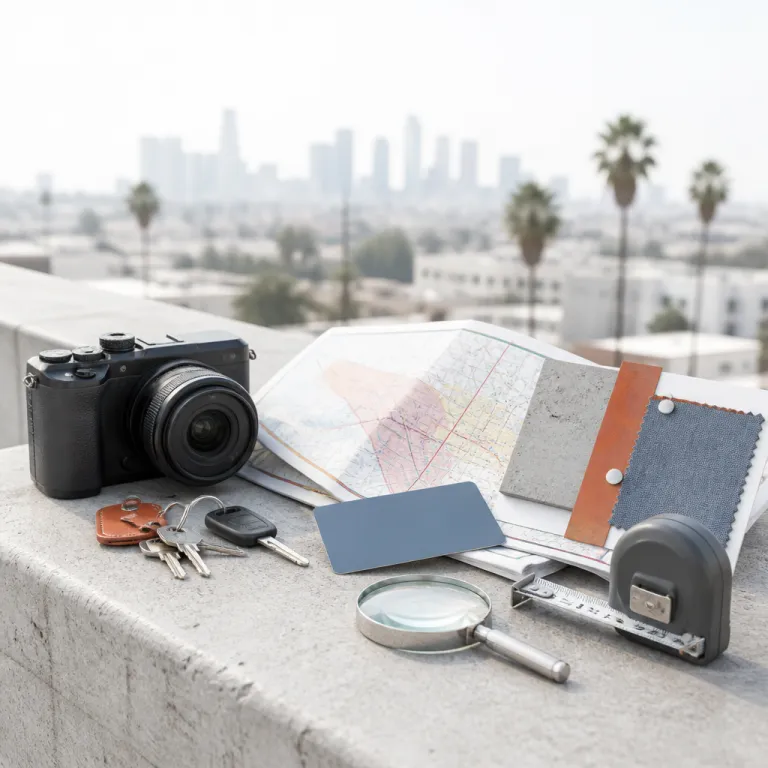
When you evaluate the best neighborhoods to stay in LA, consider how you will actually move each day. Traffic across the city can be intense, so a smart place to stay near your main interests often matters more than the specific hotel brand. Before you check availability or check prices, sketch a simple map of your must see spots and match them to neighborhoods like Hollywood, Santa Monica, Silver Lake, or Culver City, then use a map app to estimate realistic travel times.
Santa Monica and Venice Beach: coastal classics for first time visitors
For many first time visitors, Santa Monica is one of the best neighborhoods to stay in LA. You wake near the beach, stroll to cafés, and reach the Santa Monica Pier or Third Street Promenade on foot, which makes this area ideal for travelers who want a relaxed stay without sacrificing city energy. Official tourism guidance and city visitor bureaus often note that Santa Monica is especially convenient for first-time visitors due to its beach access and walkability.
Hotels in Santa Monica range from polished luxury properties with ocean facing rooms and suites to mid range options a few blocks inland. Typical nightly rates often start around 250 USD and can climb significantly higher in peak summer, based on major hotel booking platforms and recent visitor reports, with higher prices for weekends and ocean views. When you check availability along Ocean Avenue or near the Downtown Santa Monica station on the Metro E Line, you position yourself for train rides of roughly 35 to 45 minutes into Downtown Los Angeles while still returning to a calm coastal neighborhood each evening.
Just south, Venice Beach offers a more bohemian take on the coast. The Venice neighborhood mixes street art, independent shops, and the famous Venice Beach boardwalk, so it suits visitors who like a slightly edgy, creative atmosphere. When you compare Venice hotels with those in Santa Monica, check prices carefully, because mid range stays near the canals or Abbot Kinney Boulevard can offer better value while keeping you close to the ocean and within a short bike ride of Santa Monica.
- Pros: Direct beach access, walkable streets, good bike paths, and straightforward parking in paid garages; Santa Monica feels safe and family friendly, while Venice adds strong local character and a more alternative scene.
- Cons: Higher hotel prices than many inland areas, paid parking at most properties (often 30 to 60 USD per night), and heavier crowds on weekends; driving to Hollywood or Downtown Los Angeles can still take 35 to 60 minutes in traffic depending on time of day.
West Hollywood, Beverly Hills and Hollywood: nightlife, glamour and landmarks
Travelers who want nightlife and central access often find that West Hollywood is among the best neighborhoods to stay in LA. This compact city within the city offers lively dining, bars, and design forward hotels, and it sits between Beverly Hills, Hollywood, and Downtown Los Angeles, which keeps ride share times manageable. From West Hollywood, typical off peak drives run about 20 minutes to Beverly Hills, 25 minutes to Hollywood, and 35 minutes to Santa Monica, while rush hour can stretch those times considerably.
Beverly Hills appeals to guests seeking a refined, residential neighborhood with luxury hotels and tree lined streets. Properties here often feature generous rooms and suites, attentive service, and sometimes a rooftop pool, and the area feels calm even though it sits close to major Los Angeles arteries. If you are planning a special occasion stay, Beverly Hills can be one of the best areas to book, especially when you check availability early for peak travel periods such as summer and major holidays.
Hollywood itself is best for visitors who prioritize classic Los Angeles landmarks. The Hollywood neighborhood places you near the Walk of Fame, the Hollywood Sign viewpoints, and major studios, which can save time for film focused itineraries. When you compare Hollywood hotels with those in West Hollywood or Beverly Hills, check prices against your tolerance for crowds and street noise, because this area stays busy late and suits travelers who enjoy a constant city buzz.
- Pros: Central location for sightseeing, strong nightlife in West Hollywood and Hollywood, and a wide range of hotels from mid range chains to luxury icons; parking is widely available in garages and hotel lots for a fee that often starts around 25 to 50 USD per night.
- Cons: Heavier traffic on Sunset and Hollywood Boulevards, higher nightly rates in Beverly Hills, and more noise and street activity around Hollywood Boulevard than in quieter coastal neighborhoods.
Downtown Los Angeles and Culver City: culture, business and central access
Downtown Los Angeles has transformed into a compelling base for travelers who value museums, arenas, and transit connections. The downtown area concentrates cultural institutions, from major art museums to historic theaters, and it offers some of the best neighborhoods to stay in LA for visitors who prefer an urban skyline to a beach horizon. When you choose a hotel in Downtown Los Angeles, you also gain access to multiple Metro lines that shorten travel time to other parts of the city, including the A, B, D, and E lines.
Many downtown hotels feature contemporary rooms and suites, business friendly amenities, and sometimes a rooftop pool with city views. This neighborhood works well for conferences or events, and it can be one of the best areas to stay if you plan to explore both east and west without changing hotels. Before you check availability, research specific downtown blocks, because like any large city center, some streets feel livelier and more comfortable for walking than others, especially after office hours.
West of downtown, Culver City has emerged as a practical, creative hub. The Culver City neighborhood sits near major studios and tech offices, and its compact core offers mid range hotels, restaurants, and easy freeway access, which can reduce driving time to both the beach and Hollywood. For repeat visitors who want a central place to stay without the intensity of Downtown Los Angeles, Culver City often strikes a smart balance between convenience and a more low key, neighborhood feel.
- Pros: Excellent Metro and freeway links from Downtown Los Angeles, strong restaurant and bar scenes, and hotel rates that often undercut beachfront areas; Culver City offers quick drives of about 20 minutes to Santa Monica in light traffic and similar times to Hollywood.
- Cons: Limited free parking, with many hotels charging nightly fees, and a more business oriented feel in some blocks; certain downtown streets can feel quiet after office hours, so guests should choose well lit areas and check recent neighborhood reviews.
Los Feliz and Silver Lake: local character and creative energy
Travelers who prefer independent cafés and hillside streets often rate Los Feliz and Silver Lake among the best neighborhoods to stay in LA. These east side areas offer a more residential feel than Hollywood or Downtown Los Angeles, yet they still provide quick access to Griffith Park, the Greek Theatre, and the Silver Lake Reservoir. If you want a stay that feels like living in the city rather than visiting it, these neighborhoods deserve close attention.
Accommodation in Los Feliz and Silver Lake leans toward smaller properties and stylish mid range hotels. You will not find as many large complexes with vast rooms and suites or a rooftop pool, but you gain walkable streets, local restaurants, and a strong sense of community, which many repeat visitors now prioritize over traditional resort style amenities. When you check prices here, remember that ride share costs to the beach or Beverly Hills may be higher, yet daily life in the neighborhood often feels easier and more authentic.
These neighborhoods also work well for guests who plan extended stays. With good access to Downtown Los Angeles, Hollywood, and even Culver City via surface streets, Los Feliz and Silver Lake allow you to experience multiple sides of Los Angeles from one place to stay. If your list of the best areas includes culture, parks, and local nightlife rather than only the beach, this part of the city can be an excellent base for a longer visit.
- Pros: Distinctive local cafés, independent shops, and quick access to Griffith Park hiking trails; street parking is more common than in denser districts, and many visitors find the area relaxed and walkable.
- Cons: Fewer large hotels and brand name properties, longer drives of 35 to 50 minutes to the coast, and limited late night transit options, so ride shares or rental cars are often necessary.
How to match your hotel choice to your Los Angeles itinerary
Once you understand the best neighborhoods to stay in LA, align them with your personal itinerary. Beach focused travelers should weigh Santa Monica against Venice Beach, while culture seekers might compare Downtown Los Angeles with West Hollywood or Silver Lake, because each neighborhood changes how much time you spend in transit. Families often prefer a quieter area such as Santa Monica or Beverly Hills, while solo travelers may enjoy the energy of Hollywood or Downtown Los Angeles.
When you shortlist hotels, look beyond headline photos and scan maps carefully. Check availability for your exact dates, then compare room and suite sizes, parking options, and whether a rooftop pool or included breakfast will genuinely improve your stay instead of simply raising the nightly rate. For many visitors, a well located mid range property in one of the best areas can deliver better value than a more expensive hotel in a less convenient neighborhood.
Before you finally check prices and commit, estimate daily travel time from each potential place to stay. Ask yourself how often you will visit the beach, the hills, or Downtown Los Angeles, and choose a neighborhood that minimizes backtracking across the city. By treating Los Angeles as a collection of distinct neighborhoods rather than one continuous sprawl, you give yourself a calmer, more coherent stay and make the most of every day in this complex city.
Key figures to know before you book
- Los Angeles has a population of about 3.9 million people, according to recent U.S. Census Bureau estimates, which helps explain why choosing compact neighborhoods such as Santa Monica or West Hollywood can significantly reduce travel time.
- The average hotel price in Santa Monica often starts around 250 USD per night for standard rooms, based on aggregated data from major booking sites, so mid range travelers may find better value slightly inland while still staying within easy walking distance of the beach.
- Downtown Los Angeles hosts dozens of museums and galleries, as reported by city cultural guides and travel publishers, making it one of the best areas for culture focused visitors who want to walk between multiple attractions from a single hotel base.
FAQ: best neighborhoods to stay in LA
Which neighborhood is best for first time visitors to Los Angeles ?
For most first time visitors, Santa Monica stands out as one of the best neighborhoods to stay in LA. You gain direct beach access, a walkable city center, and straightforward transit into Downtown Los Angeles and Hollywood via the Metro E Line and ride shares. This combination of coastal calm and urban convenience makes Santa Monica an excellent place to stay.
Where should I stay for nightlife in Los Angeles ?
West Hollywood is widely regarded as the nightlife hub of Los Angeles. The neighborhood concentrates bars, clubs, and late night dining, while nearby hotels range from luxury to mid range options. Hollywood and Downtown Los Angeles also offer vibrant evenings, but West Hollywood delivers the most consistent after dark scene along corridors such as the Sunset Strip and Santa Monica Boulevard.
Is Downtown Los Angeles a good area to stay ?
Downtown Los Angeles works well for travelers who prioritize museums, events, and transit access. The area offers many modern hotels, some with rooftop pool decks and city views, and it connects efficiently to other neighborhoods by Metro and freeway. Visitors who prefer quieter streets at night may still choose Santa Monica, Beverly Hills, or Los Feliz instead, especially if they plan early mornings or family activities.
What is the best neighborhood for the beach in LA ?
Santa Monica and Venice Beach are the leading coastal neighborhoods for visitors. Santa Monica suits travelers who want a polished, walkable city by the sea, while Venice Beach appeals to those who enjoy a more eclectic, artistic atmosphere. Both areas provide easy access to the ocean and a wide range of hotels, from simple motels to upscale beachfront properties.
How can I choose between Beverly Hills and Hollywood for my stay ?
Beverly Hills is ideal if you want a calm, upscale neighborhood with luxury hotels and refined shopping. Hollywood is better if you want to be near major Los Angeles landmarks, studio tours, and a busier city environment. Your choice should depend on whether you value quiet residential streets or immediate access to classic attractions and late night activity.
