How los angeles tourist attractions shape your downtown hotel choice
Choosing a hotel in downtown Los Angeles is easier when you start with the attractions you most want to see in the city. If you map the Los Angeles tourist attractions that matter to you first, you can then select a property that shortens travel time and maximizes each day itinerary. This approach turns the dense Los Angeles street grid into a practical base rather than a confusing maze.
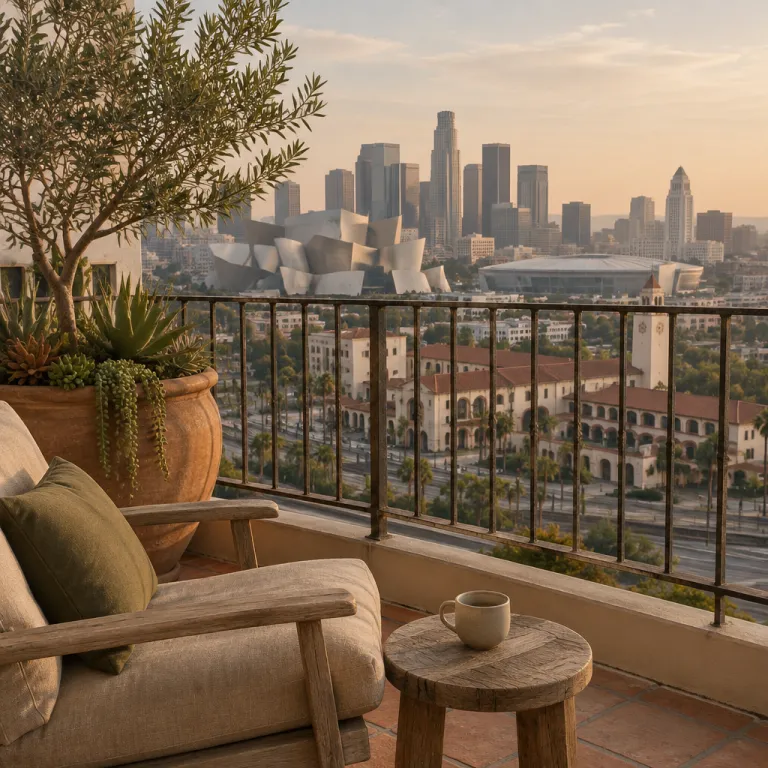
For many visitors, the best things to prioritize are the cultural anchors that define city life, from The Broad museum and Walt Disney Concert Hall to the historic core around Grand Central Market. These landmarks sit at the heart of downtown and connect efficiently to Westside neighborhoods, the Hollywood Hills, and the coast, so a central stay keeps both museums and beaches within easy reach. When you evaluate any hotel, read its exact address against a map of Los Angeles tourist attractions instead of relying only on marketing descriptions.
Think about how you like to explore a new city before you book in Los Angeles. If you prefer to walk between an art museum, a contemporary art gallery, and a performance venue in one afternoon, downtown’s compact grid will suit you far better than a coastal district. Travelers who want late night dining, live arts, and quick access to Metro lines toward Hollywood and Santa Monica will usually find that a downtown base offers the best balance of energy and convenience.
Downtown landmarks: from broad museum to historic theaters
Staying near Grand Avenue places you within a few hundred metres of The Broad, one of the most visited Los Angeles tourist attractions for contemporary art. The museum’s free general admission (timed tickets are typically required), striking honeycomb façade, and proximity to the Music Center make it ideal for a half day itinerary that combines visual arts and live performance. Hotels within a five to ten minute walk allow you to return to your room between exhibitions and evening concerts without needing to rent car services or navigate late night traffic.
Just downhill, the Museum of Contemporary Art (MOCA) on Grand Avenue complements The Broad with deeper dives into late twentieth century art movements and rotating shows of international artists. Together, these museums anchor a cultural corridor that helps define the arts identity of the city and gives travelers a clear reason to sleep downtown rather than only visiting for a single day. When comparing properties, look for those that mention easy access to these museums, since that usually signals a location that also works well for dining, shopping, and transit.
Historic theaters such as the Orpheum and the Los Angeles Theatre line Broadway, where neon marquees recall the golden age of Hollywood while hosting concerts and film events today. These venues are not only beautiful places to see a show, they are also practical orientation points when you walk the streets of downtown, especially at night when their façades glow. If you are a traveler who values architecture and culture equally, a hotel within a short stroll of both Grand Avenue and Broadway will give you the best things about downtown in one compact radius.
Griffith observatory, hollywood sign and planning your transit from downtown
Many guests choose downtown hotels because they offer straightforward routes to Griffith Observatory and the Hollywood sign, two of the most iconic Los Angeles tourist attractions. From most central properties, you can reach Griffith Park by rideshare or rental car in around thirty minutes outside rush hour, then spend a full day exploring trails, exhibits, and panoramic views over the Los Angeles basin. The observatory’s hilltop setting helps you understand how the city, the beaches, and the mountains relate to one another.
Griffith Observatory functions as both a science museum and a viewpoint, which makes it ideal if you want to combine education and scenery in a single outing. Official guidance for visitors notes that Griffith Observatory, the TCL Chinese Theatre, and Disneyland Park are among the top attractions in Southern California, and planning your stay around this triangle of experiences can help structure your time. When you return downtown after a day in the park, you will appreciate having restaurants, rooftop bars, and quiet hotel lounges within a short walk of your room.
Hollywood Boulevard, anchored by the TCL Chinese Theatre, is another area that connects naturally to a downtown base through the Metro B Line (Red) and frequent rideshares. This corridor lets you experience the Hollywood Walk of Fame, classic cinemas, and nearby hills in a single day itinerary without changing hotels. If you value efficient movement between Hollywood, Griffith Park, and the central business district, prioritize downtown properties near major transit hubs such as 7th Street/Metro Center or Union Station.
Coastal escapes from a downtown base: santa monica, venice beach and malibu pier
While downtown feels urban and vertical, many travelers staying there still want easy access to beach days at Santa Monica, Venice Beach, or even the Malibu Pier. From a central hotel, you can reach the coast by light rail to Santa Monica, by rideshare along the freeway, or by rental car if you prefer to control your schedule. This flexibility means you can enjoy both skyscraper views at night and soft sand underfoot by midday.
Santa Monica offers a classic pier, wide beach, and lively shopping streets that contrast with the more business focused avenues of central Los Angeles. Venice, by comparison, mixes street art, skate parks, and canals, making Venice Beach one of the most eclectic Los Angeles tourist attractions for people watching and photography. Travelers who enjoy both structured museums and spontaneous street scenes often find that alternating a downtown day with a coastal day keeps their time in the city balanced and engaging.
Farther along the coast, the Malibu Pier and nearby coves provide a calmer alternative to the busier beaches closer to West Los Angeles. A hotel in downtown allows you to leave early, spend the day walking the pier, exploring seaside cafés, and perhaps visiting the nearby Getty Villa, then return to a neighborhood with late night dining. When you evaluate where to stay, consider whether you want to prioritize quick access to the beach or a central position that makes both the shoreline and inland attractions equally reachable.
Arts, gardens and museums beyond downtown: getty villa, getty center and more
Travelers who care deeply about art and gardens will want to plan at least one day itinerary around the Getty Center and the Getty Villa, two of the most refined Los Angeles tourist attractions. From a downtown hotel, you can reach the Getty Center in the hills above West Los Angeles by car or rideshare, then spend hours moving between galleries, terraces, and manicured gardens. The combination of European paintings, contemporary art installations, and sweeping city views makes this complex a highlight for many repeat visitors.
The Getty Villa, closer to the Malibu Pier, focuses on ancient Greek and Roman art within a recreated Mediterranean estate that feels worlds away from the high rises of central Los Angeles. Its gardens, fountains, and ocean glimpses offer a slower pace that pairs well with a coastal drive from Santa Monica or Venice Beach. When you return downtown after visiting these museums, you will likely appreciate the contrast between classical sculptures and the modern skyline outside your hotel window.
Other notable museums and gardens, such as The Huntington in San Marino or the Exposition Park institutions south of downtown, can also be reached comfortably from a central base. These venues deepen your understanding of Los Angeles culture by combining art museum collections, botanical gardens, and science exhibits in one campus. If your ideal trip blends museums, gardens, and urban energy, a downtown stay keeps your options open without committing you to a single neighborhood identity.
Shopping, beverly hills glamour and practical tips for hotel guests
Many visitors pair a downtown stay with at least one excursion to Beverly Hills and Rodeo Drive, where luxury shopping and polished streets showcase another side of the Los Angeles city story. From most central hotels, you can reach this district in under an hour by car in typical traffic, making it easy to spend a half day browsing flagship stores before returning to downtown’s more varied dining scene. This combination lets you experience both the polished image of Los Angeles and the creative grit of its historic core.
Within downtown itself, shopping ranges from independent arts markets to restored arcades that reflect the evolving culture of the city. You might start a morning at a local café, walk ten minutes to an art museum such as The Broad, then continue toward smaller galleries that highlight contemporary art from emerging Los Angeles artists. Even if shopping is not your main priority, these streets reveal how commerce, arts, and everyday life intersect in the heart of the city.
When booking a hotel, pay attention to how the property describes access to key Los Angeles tourist attractions, including the Hollywood sign, Griffith Park, Santa Monica, Venice Beach, and major museums. Clear, specific references to transit options, walking distances, and nearby parks usually indicate a team that understands how guests actually move through the Los Angeles landscape. If you match those details with your own list of best things to see, you will create a stay that feels both efficient and richly textured from the first to the last day.
Key statistics about major los angeles tourist attractions
- Griffith Observatory has reported welcoming more than 1 million visitors in many recent years, making this hilltop park landmark one of the most popular free attractions in Los Angeles (figures based on publicly available city and observatory reports).
- The TCL Chinese Theatre on Hollywood Boulevard receives several million visitors annually, reflecting the enduring global appeal of Hollywood history and film culture (approximate range drawn from venue and tourism reporting).
- Disneyland Park in nearby Anaheim has recorded annual attendance in the tens of millions, so travelers staying in downtown should plan weekday visits and advance tickets to manage crowds (attendance varies by year and industry estimates).
Frequently asked questions about staying downtown for los angeles tourist attractions
What are the main advantages of a downtown Los Angeles hotel for sightseeing ?
A downtown hotel places you close to major museums such as The Broad and MOCA, historic theaters, and key transit hubs. From this central position, you can reach Hollywood, Griffith Park, Santa Monica, and Beverly Hills in reasonable travel times. It is an efficient base if you want to experience both urban culture and coastal landscapes in a single trip.
Is it practical to visit Disneyland Park from a downtown Los Angeles base ?
Yes, many visitors stay downtown and travel to Disneyland Park for a full day visit by car, rideshare, or organized shuttle. The journey typically takes under an hour outside peak traffic, so planning an early departure and late return works well. Buying tickets online in advance and choosing a weekday can significantly reduce waiting times at the park.
How can I move between downtown, hollywood and the beaches without renting a car ?
From downtown, the Metro B Line connects directly to Hollywood, while the E Line runs toward Santa Monica, and frequent buses and rideshares fill in the gaps. Many travelers combine rail for longer segments with short rideshare trips to reach specific beaches or viewpoints. This mix allows you to avoid parking stress while still covering the main Los Angeles tourist attractions efficiently.
Which downtown areas are best for travelers focused on arts and culture ?
Grand Avenue around The Broad and Walt Disney Concert Hall is ideal for arts focused stays, with easy walks to MOCA and the Music Center. The Historic Core and Broadway corridor suit visitors who enjoy classic theaters, street life, and early twentieth century architecture. Choosing a hotel within these districts keeps most cultural highlights within a short stroll or a brief Metro ride.
When is the best time of week to visit major Los Angeles attractions ?
Weekdays generally offer lighter crowds at museums, Griffith Observatory, Hollywood Boulevard, and coastal areas compared with weekends. Early morning arrivals help at popular spots such as Santa Monica Pier, Venice Beach, and the Malibu Pier, especially in peak travel seasons. Many downtown museums also offer extended evening hours on select days, which can spread your visits more comfortably across your stay.
Trusted references
- Griffith Observatory official information and visitor data (publicly reported figures and city cultural affairs summaries)
- TCL Chinese Theatre visitor statistics and programming details (venue communications and tourism board materials)
- Disneyland Park attendance figures and ticketing guidance (industry attendance estimates and official park resources)